 NeuVew Culture
Southern Anhui
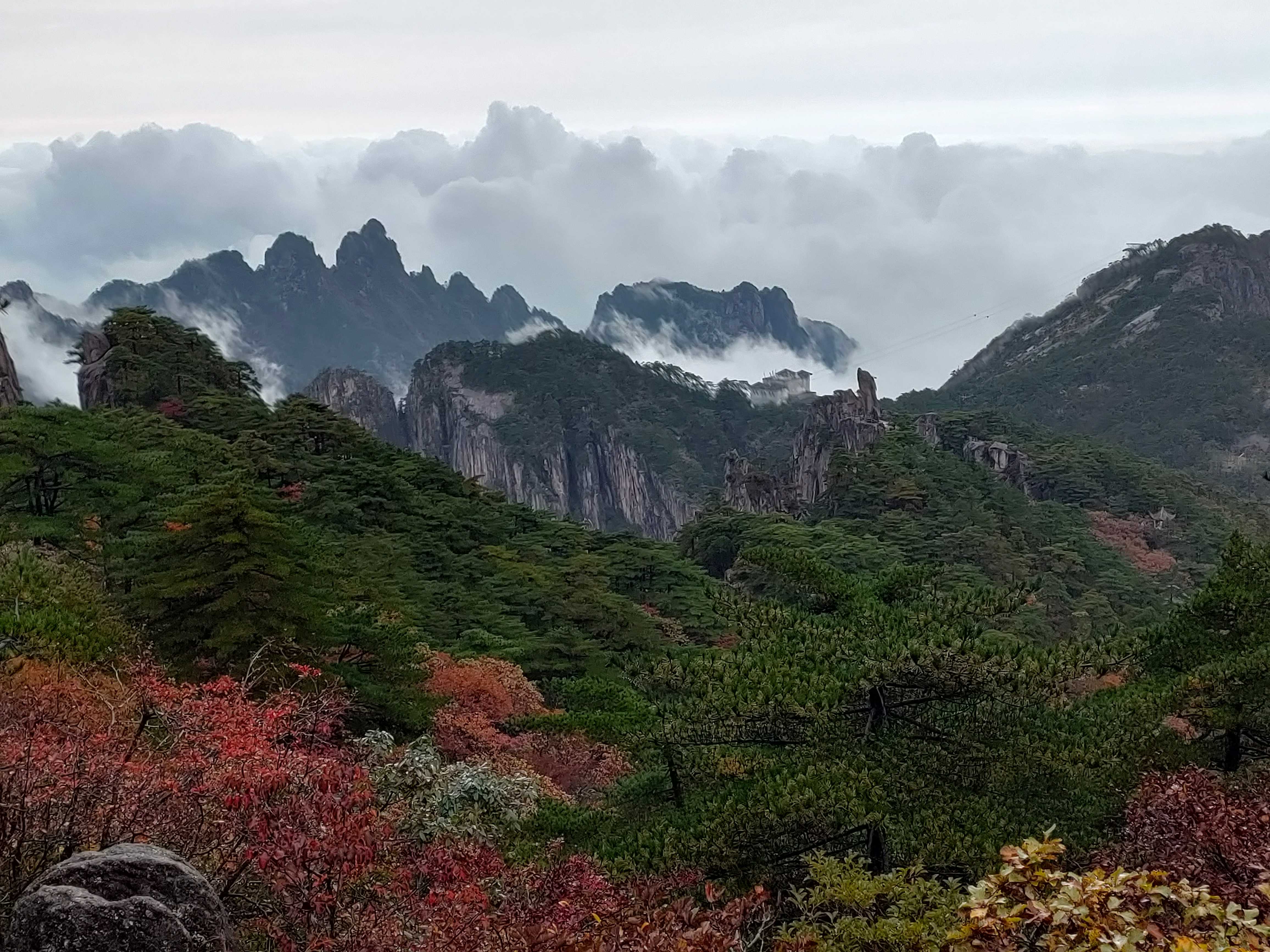
Southern Anhui is famous for both its natural beauty and rich cultural heritage.
The Yellow Mountain, with its unique granite peaks and pine trees, is a UNESCO World Heritage site. The floating clouds make the valleys a fairy land.
Southern Anhui produces the best "Four Treasures of Study" for traditional intellectuals. On the trip, one can take a close look at the traditional manufacturing techniques, which has been passed down to the present day, and even take part in the process.
The Hui Culture is one of the most long-lasting and comprehensive regional cultures in China. Due to the blocking of mountains, the Hui people have developed a unique way of life and culture. It lasted around a millennium and was well-developed in all aspects. In particular, the Hui cuisine is among the most famous in China.
Learn MoreYangtze-Huai Region
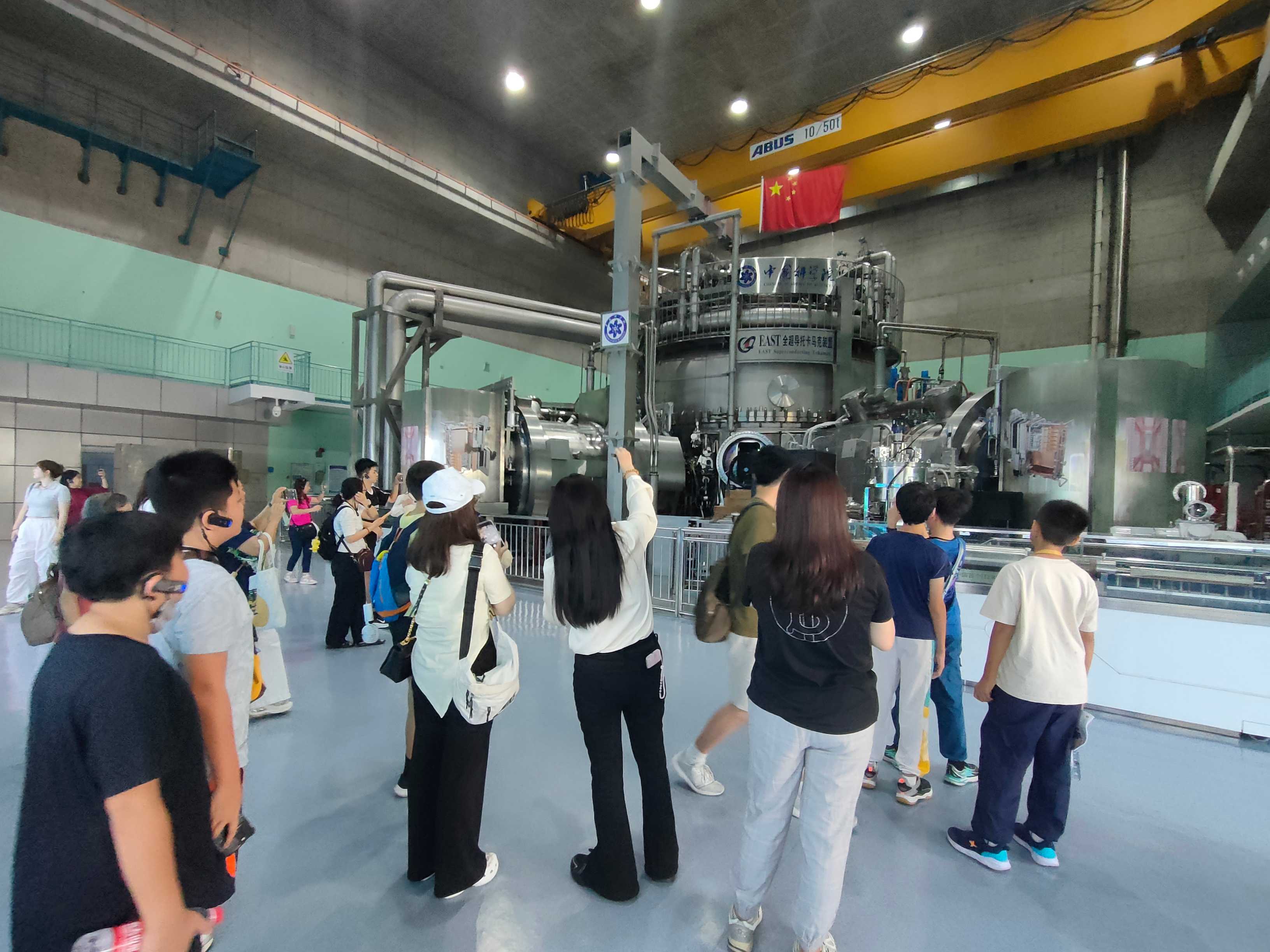
This trip focuses on two main cities in the Yangtze-Huai region.
Nanjing is a city with a rich history and cultural significance. An ancient capital of several dynasties and the economic and cultural center of modern China, it offers a variety of historical and cultural experiences.
Although it had a longer history, Hefei was not as significant as Nanjing. However, recently it rapidly became a center of cutting-edge technology and innovation. From fusion reactors to quantum computers, from semiconductors to electronic vehicles, from artificial intelligence to biotechnology, Hefei stands at the forefront of China's technological advancement.
Put together, these two cities offer a unique perspective on China's past and future.
Learn MoreJinan by the Yellow River
Jinan is famous for its springs and nicknamed the "City of Springs." The city is home to over 72 famous springs, including the iconic Baotu Spring. During the rainy season, the springs flow abundantly, creating a picturesque landscape. The spring water gathers into ponds and streams in the Mingshui Ancient Town, forming a water town scenery on the northern terrain.
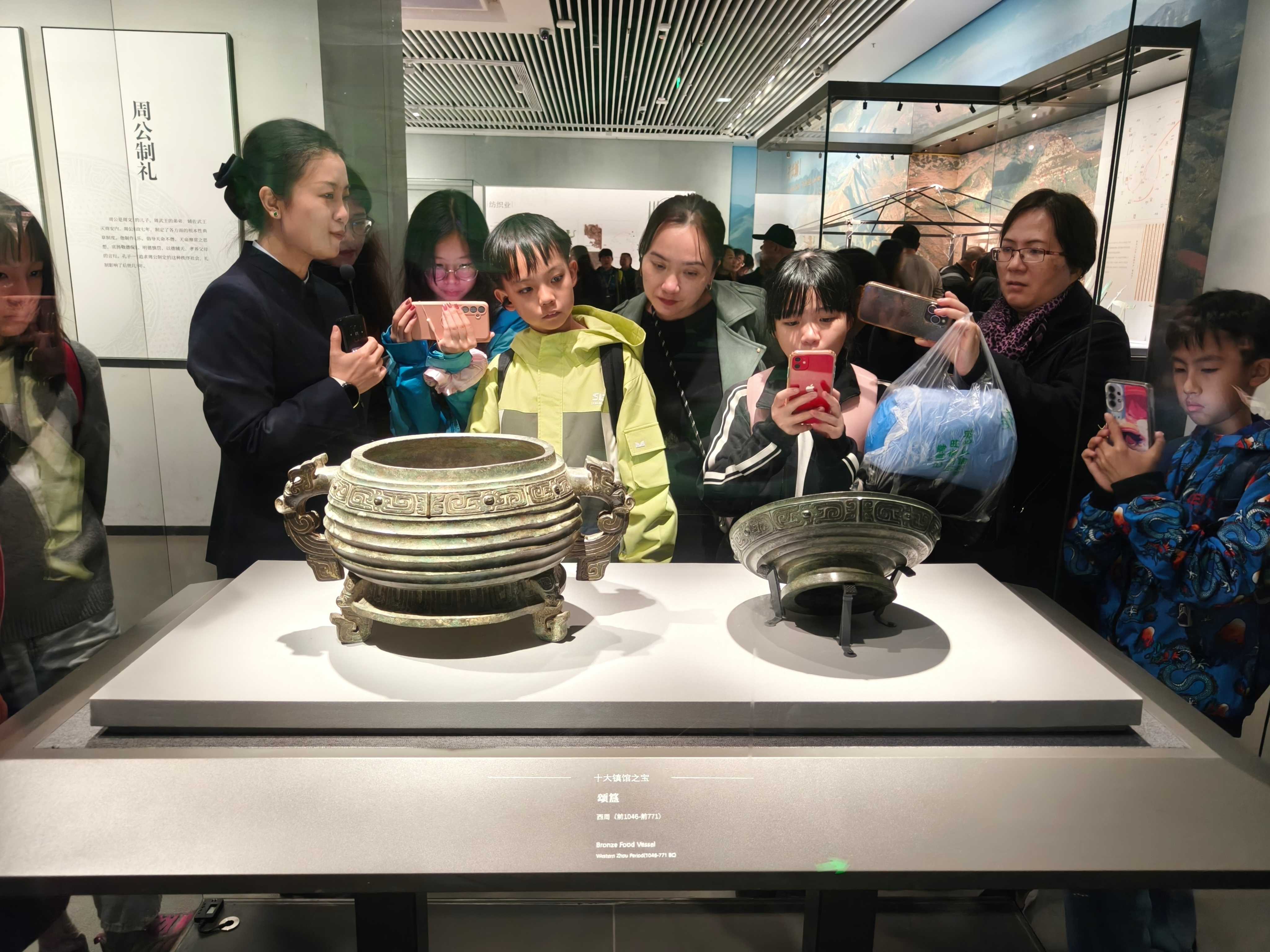
Jinan is the capital of Shandong Province. Historically, Shangdong was the cradle of Confucian thought and constitutes an important origin of Chinese culture. In the provincial museum, visitors can explore the relics and artifacts from the ancient dukedoms Qi and Lu and obtain a good understanding of the budding of Chinese culture.
Jinan is also a window of the Yellow River ecosystem, where people can gain a direct experience of the Mother River of Chinese civilization.
Learn MoreGuizhou
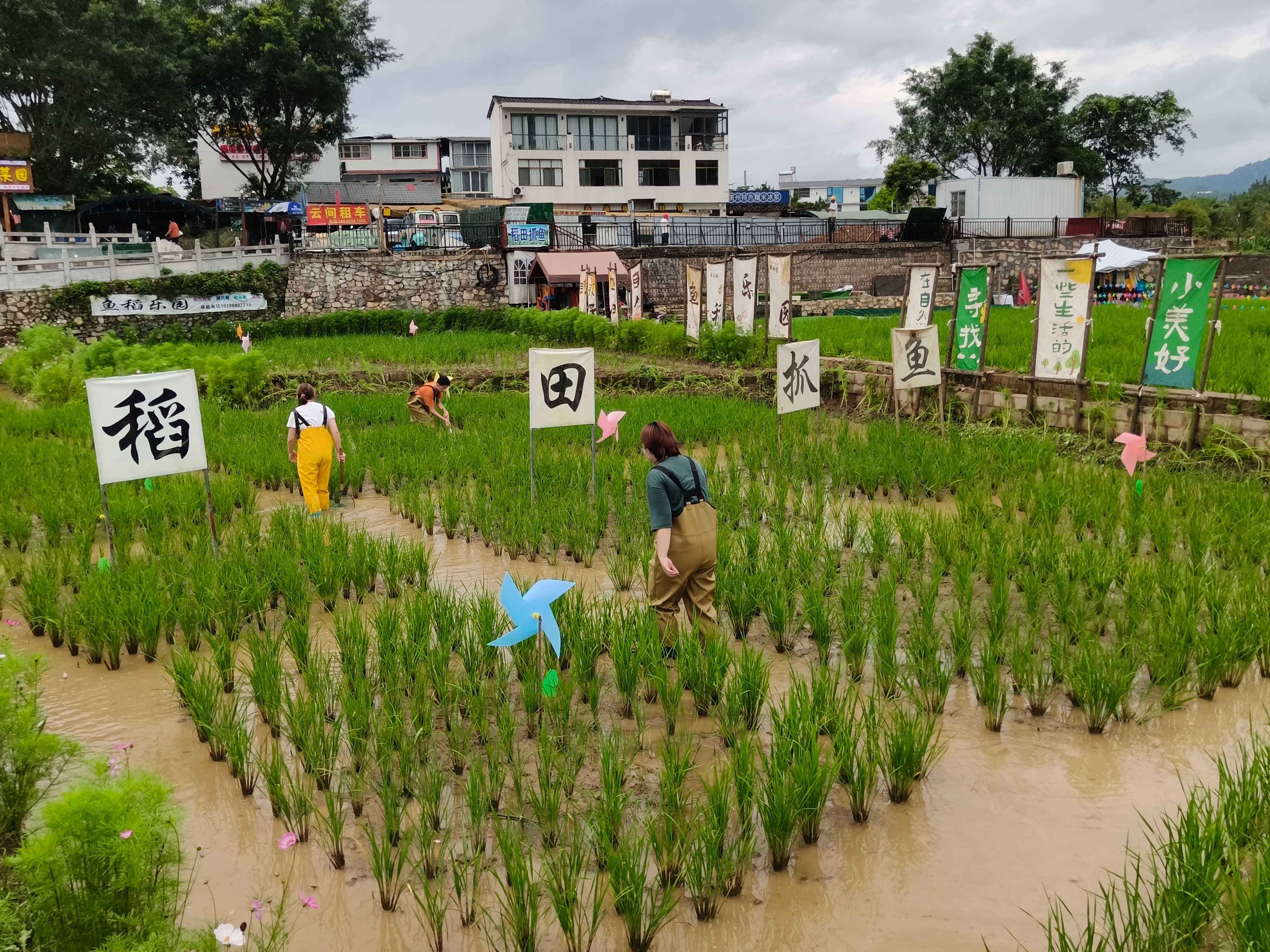
Located at the southwestern corner of China, Guizhou is a triple museum of Karst landscapes, bridges and ethnic cultures. Traditionally known for its unique and comprehensive Karst landscapes and rich ethnic diversity, today it also has tens of thousands of bridges.
Almost all the Karst formations can be found in Guizhou, including limestone caves, sinkholes, underground rivers, waterfall groups, canyons and peak forests. The Maling River Canyon, with its dramatic cliffs and numerous waterfalls flowing out of underground rivers and streams on the cliffs, obtains the title of "the most beautiful canyon on earth".
Once a remote mountainous region, Guizhou has now been connected to the outside world through numerous bridges. It boasts half of the 10 tallest bridges in the world, with the Huajiang Canyon Bridge being the world's tallest. Guizhou is also a province inhabited by the most ethnic groups in China.
Learn More